
So much of our day-to-day lives is fueled by energy. Whether we’re at home, work, or on the go, we need energy - whether raw like oil or converted like electricity - to provide the necessary power to make things work.
Energy is typically renewable or nonrenewable, and there are pros and cons to using each of them. Below, we’ll cover the different energy types and sources, as well as how energy converts to electricity. Then, we’ll transition to why reliable electrical systems matter for your facility, and when professionals can help keep your power systems safe and up to code.
How your building is powered makes a difference in how it operates and what to do should your power system go down.
Renewable Sources
Renewable sources of energy can be replenished, often by nature. Common examples of renewable sources of energy include:
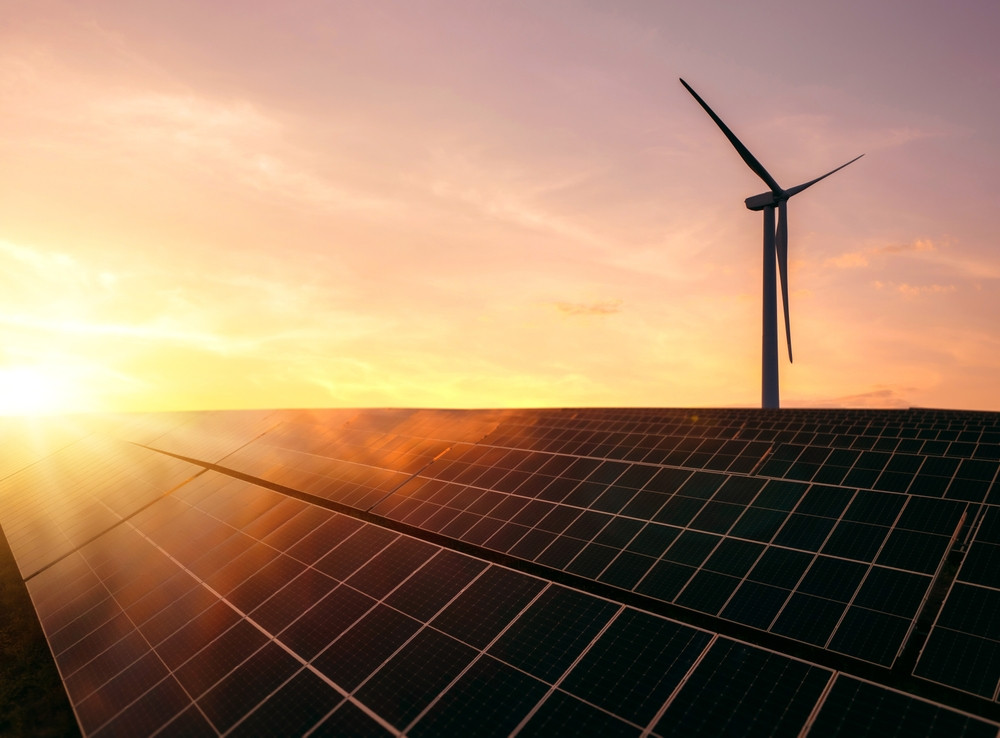
- Solar uses the sun’s radiation and converts it into power using solar panels.
- Wind converts moving air into power using wind turbines.
- Hydro leverages moving water and turns it into electricity using dams, rivers, storage systems, turbines, generators, etc.
- Geothermal taps into the heat trapped under Earth’s surface using steam and hot water.
Renewable energy is often considered to be always on since it taps into the power of nature. However, while it is technically inexhaustible because it is constantly replenished, it’s not always available.
For example, it has to be sunny to leverage solar power, or water must be available to use hydropower. If not, you will need to tap into your energy stores for your power needs.
Renewable energy sources often require an initial investment to install the equipment needed to convert them into power, which is why they may seem less accessible to some.
Nonrenewable Sources
Nonrenewable sources are not easily replenished. They can take hundreds of millions of years to form, so the supplies are limited to what is currently available. Common sources of nonrenewable energy include:
- Natural gas is made of methane gas that forms below Earth’s surface. It can be used for heat, electricity, and manufacturing.
- Coal is burned to generate energy, which can be used for heat and electricity. When coal is burned, it can generate a lot of pollution.
- Oil is converted from petroleum, which was formed from the remains of ancient organisms over the course of millions of years. It is used for transportation, heating, and manufacturing.
- Nuclear energy is released from the core of an atom, or its nucleus, which is where it gets its name. Nuclear energy is reliable and does not contribute to our carbon emissions, but the waste it generates is extremely dangerous and toxic.
Nonrenewable energy is the most common source of energy in the United States. Unfortunately, it can negatively impact the environment and is in limited supply. Even so, it is highly valuable in our daily lives.
How Energy Is Converted Into Electricity
Energy can be converted into electricity using a variety of methods, and the most effective depends on the type of energy that you are using.
The most popular way to generate power is to utilize a turbine. Turbines take the raw energy source and convert it into electricity. That electricity is then used by individuals or companies in their homes or facilities.
For example, moving water can flow into the generator. The force of the water will cause the blades to spin. That spinning is then converted into energy, which can be used as a power source.
Some commercial facilities can generate their own power to meet their electrical needs, while others tap into electrical power grids. Electrical engineers will be critical to help you understand your power needs and develop electrical plans to help you meet them now, while still allowing space to scale operations into the future.
Why Reliable Electrical Systems Matter For Commercial And Industrial Facilities
Power is the backbone of any commercial or industrial facility, so it’s critical that you have a reliable electrical system. If you don’t, you could experience many negative consequences, including the following.
- Financial losses. Every minute the facility is down, it costs you money - not just in production, but also in labor hours. When your downtime extends into hours and days, that can quickly add up.
- Decrease in productivity. You may be unable to meet production goals and key metrics if your electrical system fails and your machines are down for too long.
- Equipment failures. Power failures can cause damage to expensive equipment, leading to significant maintenance and, in some cases, costly replacements.
- Safety concerns. Power outages can cause unsafe working conditions, increasing the odds of accidental injuries. That can open up your facility to legal consequences.
When your electrical system is working properly, it helps promote seamless operations, allowing you to focus your time on planned maintenance rather than unplanned outages. It also ensures that your commercial or industrial system remains compliant with all federal, local, and OSHA requirements.
At the end of the day, you can’t do anything with power, so you need to make sure you’re making the right choice about the type of energy you use based on your industry and facility needs and establish backup plans in the case of an outage.
Professional engineers can help you establish plans to account for the unknown and troubleshoot when the unexpected happens. They can help get you quickly back online to reduce downtime and mitigate the financial impact on your business.
How Proper Testing Helps Keep Power Systems Safe, Efficient, And Compliant
One way that you can avoid costly power outages and downtime is to conduct regular maintenance and testing. While it can be easy to deprioritize, proper testing can be an important part of your workflow.
- Promote safety: Testing can bring to light potentially hazardous conditions, allowing you to mitigate the risk before it becomes an issue. You can avoid common electrical faults, like ground faults, improper wiring, and faulty insulation.
- Drive efficiencies: Testing your power system will help optimize your performance. Not only will you avoid downtime, but you can also identify potential bottlenecks or overloaded circuits that are causing inefficiencies that lead to higher utility bills, failed power systems, and more.
- Support compliance: Your power system has to meet OSHA, National Fire Protection Association, federal, and local electrical code standards. Failure to do so can lead to significant fines or an operational shutdown until you bring your building into compliance.
When you test, make sure that you keep records of your findings. This documentation will be critical if you are audited regarding your electrical compliance.
Call in the Professionals
While your internal maintenance and safety team may be familiar with various elements of your power grid, they may not see the bigger picture.
For businesses that need professional electrical testing services in San Diego or throughout Southern California, MTA is here to help. We can inspect, test, and assist you in maintaining critical electrical systems, leveraging decades of experience providing reliable and professional commercial and industrial electrical safety services.
We offer a broad range of services that can meet all your project needs, including arc flash analysis, comprehensive system evaluation, short circuit analysis, and more.
Contact us today to get started.
Frequently Asked Questions
What Are the Different Types of Energy?
Energy is either renewable or nonrenewable. Renewable energy can be easily replenished by nature, while nonrenewable energy is finite. It may take millions of years to replenish the store once it has been exhausted.
What Are Renewable Types of Energy?
Renewable energy tap into natural resources like solar, wind, hydro, and geothermal. It leverages Earth’s natural resources that can easily be replenished, and it is often better for the environment.
What Are Nonrenewable Types of Energy
Nonrenewable energy includes natural gas, oil, coal, and nuclear energy. These are the most common energy sources, but they often contribute to our carbon emissions and lead to significant pollution and waste.