
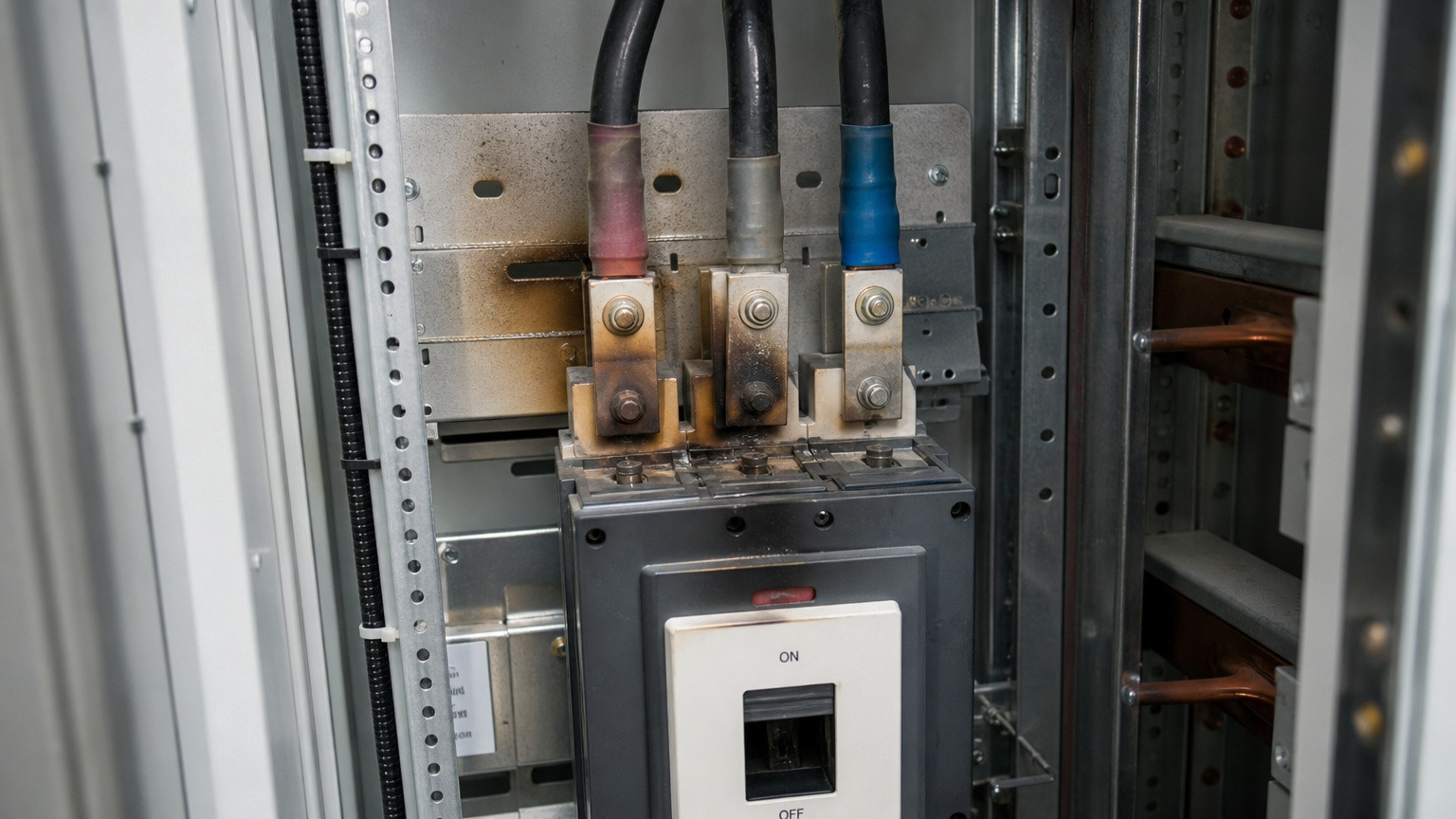
Electrical equipment is the backbone of any commercial or industrial facility, so it’s critical that it’s operating as expected. Regular testing can help catch potential issues before they become costly failures or safety issues.
Below, we’ll share early warning signs that can indicate that your electrical equipment may be due for testing. If you experience any of these issues, you should engage with professional electrical engineers to help you identify the cause and address them before they become worse.
Electrical Equipment Warning Signs
You know your electrical equipment within your facility better than anyone, so if it starts to act differently, you may want to get it checked out. You want to mitigate the issue before it fails completely.
Frequent Breaker Trips
Breaker trips are actually a good thing. It means that your electrical panel is doing its job. It’s preventing your circuits from overloading or shorting. An occasional trip is normal. It likely means there were too many things plugged in or wiring got crossed accidentally.
If you are experiencing frequent trips, it may mean that there is an issue with your wiring. If your breaker is tripping more than once a week or right after you’ve reset it, call a professional to get it checked out.
Overheating
Because of the voltage running through electrical equipment, it may get hot. Your equipment will have a maximum temperature rating. If it exceeds it, it is no longer safe.
Overheating can cause internal components and external casing to melt, catch fire, or trip breakers. Your electrical equipment could be carrying too much electrical current, experience poor airflow, or have faulty wiring.
Do not touch the equipment to determine if it is too hot. You should be able to feel the item radiating heat or see visible signs of overheating.
Unusual Noises
You know what your equipment sounds like when it is running properly. Often, it’s a quiet hum or makes sounds when it’s booted up.
If the electrical equipment starts making unusual sounds, note where they're coming from and what they sound like. Buzzing, humming, popping, and snapping sounds can all indicate larger issues.
These sounds could mean that there is loose wiring, overloaded circuits, or electrical arcing. All of these can be extremely dangerous. If it’s possible, turn the equipment off and call a professional engineer to get it checked out.
Burning Odors
The smell of burning is never a good sign, especially around electrical equipment. That often means that something is burning - even if you can’t see it yet. Internal components like plastic, insulation, or even dust can be melting due to overheating.
If you experience any of the following smells, turn off or unplug your equipment if it is safe to do so.
- Burning plastic or rubber
- Burning metal
- Overwhelming chemical and toxic smells
- Fishy odors
These can indicate an electrical fire hazard, so act quickly if you notice them in your industrial or commercial facility.
Visible Corrosion
Corrosion can be common on any equipment, especially when it is exposed to the elements. However, if you notice it on your electrical panel, it can be dangerous. Corrosion can create a new path for electrical current to flow, leading to excess heat.
Additionally, it can weaken components, causing crossed wires or the equipment to fail entirely. Look for flaking brown rust or a greenish-white powdery buildup.
You may be able to treat corrosion before it causes significant harm if caught early enough.
Voltage Fluctuations
Your power grid should regulate the voltage your industrial or commercial facility receives. However, if it doesn’t, you can experience voltage fluctuations that can be extremely damaging to your electrical equipment.
Excessive voltage can damage your items because of the quick burst of energy, while low voltage may cause your equipment to not operate as expected or overheat to try to keep up. Over time, this can damage your electrical equipment.
It is likely an issue with your underlying power system, so you will need a professional electrical engineer to help fix it.
Unexplained Equipment Failures
Equipment can fail unexpectedly for any number of reasons. Parts can break, operators can make errors, or maintenance can be delayed. It can also indicate there is an electrical issue, especially if the malfunction occurred after plugging the equipment in or following a tripped breaker.
If the equipment failure is accompanied by a weird smell or excess heat, those can indicate it didn’t malfunction because of normal wear and tear.
Value of Routine Electrical Testing
The best way to extend the lifespan of your electrical equipment is through regular maintenance and routine testing.
Identifying Hidden Issues
Once you start to experience some of the electrical equipment warning signs, the damage is already done. Routine electrical testing can catch them before they become an issue, identifying potential weaknesses, hazards, and failings. That will allow you to address them before they cause significant electrical damage or safety concerns.
Reducing Downtime
Regular maintenance on your electrical equipment can reduce downtime. Schedule testing during off-hours or on your day off if your facility isn’t open 24/7. Communicate to your employees or residents when it will be happening so they can plan accordingly.
Establish a cadence based on regulations. For example, OSHA requires that cords, cables, and other tools must be visually checked out before each shift or before use. If the time isn’t specified, set an electrical testing schedule that works for you and your business. That way, you can plan for downtime if needed rather than experience it unexpectedly.
Improving Safety
Regular safety inspections and testing can help you identify risks before they become more serious. Electrical malfunctions can cause many potential issues in the workplace, including fires, burns, shocks, hearing damage, and more.
If these happen, you may incur fines or face legal action, especially if they were because of missed OSHA requirements like wearing rubber personal protective equipment or having blankets nearby. Taking proactive safety actions can help promote a safe workplace culture and avoid service disruptions.
Preventing Costly System Failures
Faulty electricals can lead to significant system failures. It can damage your equipment, including machines, computers, and in some cases your facility’s entire electrical infrastructure. You need power to do business, so it’s critical that you do what you can to keep your systems running smoothly.
Every minute your facility is down costs you money. Not only do you have to fix the items that broke during an electrical malfunction, but you also have to make up time to meet your goals. Depending on your industry, this can cause ripple effects across your building, including system upgrades, employee overtime, and more.
Connect With Professionals for Electrical Testing
Building and facility maintenance can conduct routine maintenance, but when you need more robust electrical testing, MTA is here to help.
We offer professional commercial and industrial electrical testing throughout California. Our services include arc flash analysis, electrical testing, system evaluation, short circuit analysis, and more.
We are proud to serve small and large clients across the West Coast, including San Diego and Southern California. Our suite of services meets all NFPA, NEC, IEEE, and OSHA standards, keeping you in compliance with all federal, state, and local regulations.
Reach out today to get started.
Frequently Asked Questions
What Are Common Signs of Electrical Failures?
Frequent breaker trips, overheating, unusual noises, burning smells, and corrosion can all indicate an electrical failure within your facility. If you notice these signs in your equipment or electrical panels, you should contact an electrical engineer to help diagnose the issue.
What is the Most Dangerous Sign of Electrical Failure?
Burning smells, visible sparks, or audible buzzing can all indicate that there is an active electrical fire or electrical issue. If possible, you should disconnect the equipment from the power source safely and contact the professionals for immediate assistance.
What Are the Benefits of Electrical Testing?
Electrical testing can catch issues before they become significant hazards or costly repairs. It can also reduce your downtime and improve your facility’s overall safety. Preventative and proactive maintenance for your electrical machinery can prolong its lifespan and increase your return on investment.