
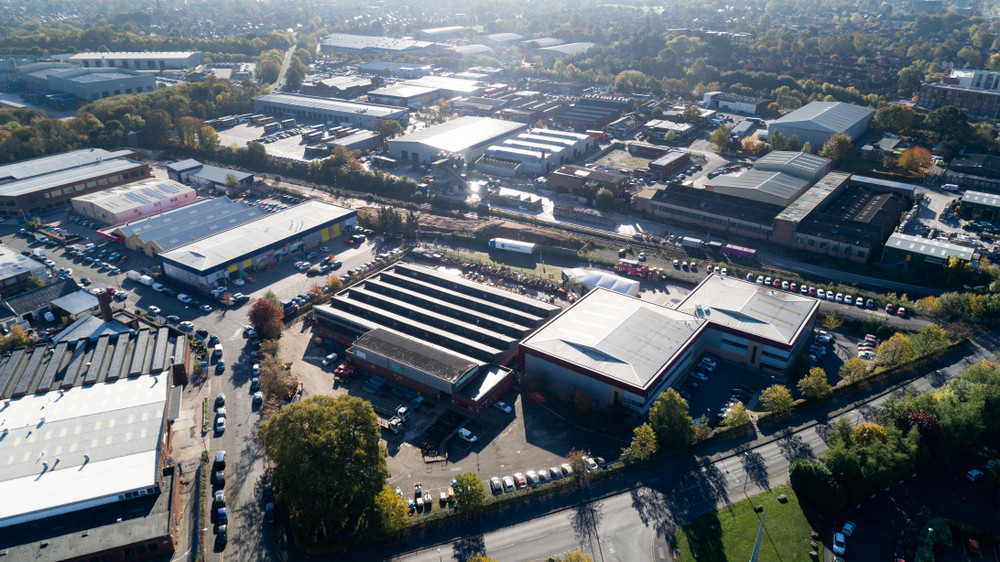
When you’re purchasing a commercial or industrial building, there are many different factors to keep in mind. Not only do you have to ensure it is big enough for you and your operations, but you also have to make sure that it has the right infrastructure in place, including the electrical system.
If the building doesn’t have the correct electrical setup in place, it will not support your business without costly investments. Below, we’ll share the key electrical issues you should evaluate before purchasing a commercial or industrial building, the benefits of electrical testing before purchasing, and how MTA can help.
Key Electrical Concerns for Commercial and Industrial Buildings
Whether you are purchasing a commercial business to run a store or an industrial building to manufacture goods, your electrical system is the foundation on which your operations rest. As you’re searching for the right building for your next location, here are several key electrical concerns to keep in mind.
Electrical System Condition and Capacity
The main electrical panel can tell you a lot about the building’s history and the shape of its electrical system.
- Main panel rating. This will tell you the amperage rating, which will typically be between 60A and 5,000A. On average, commercial buildings should have at least 200A, while industrial buildings should be at least 800A.
- Load capacity. How much amperage you need depends on the type of appliances, machinery, and technology you plan to run. A load calculation can tell you exactly how much electricity you will need to use during peak times, and that will help you understand if the building can support your operations.
- Damage and Malfunction. Look for anything that may be out of the ordinary, including discoloration on the panel, burning smells, snapping sounds, and panels that are warm to the touch. These can all indicate underlying issues with the electrical system.
You may need to conduct upgrades prior to opening your business. If so, assess if the value of those fixes against how much you are paying for the building to determine if it is still a good investment.
Outdated Equipment
If well taken care of, on average, electrical panels have a lifespan of between 25 and 40 years. However, that can be shortened if the needs of the building outpace the panel’s load, causing stress.
Keep an eye out for the following signs to tell if your panel is outdated or reaching the end of its lifespan.
- Recalled equipment. Depending on the age of the building, there may be a risk of the electrical panel being recalled for safety concerns.
- Worn out or loose switches. If a breaker frequently trips, you can see. The switch may have more wear and tear than the others, or it may be looser than others.
- Flickering lights. If you notice any flickering, humming, or dimming lights when you’re walking through, the electrical system may be having a hard time keeping up with the building’s needs.
Outdated equipment puts the building at risk of high electrical failure rates, which could cause damage to your equipment over time. As a result, you may need to update the panel before you start work.
Code Concerns
Commercial and industrial facilities need to meet certain code standards to ensure safety, including the National Electrical Code, OSHA, and any local or state regulations.
These codes will vary based on the type of business you plan to conduct. The best way to understand if the building is up to code is to hire an electrical engineer. They can help assess the building, as well as identify code violations that will need to be addressed before you can safely operate the building.
They include:
- Proper panel setup and clearance
- Electrical safety devices intact
- No exposed or outdated wiring
Code violations can be expensive. Not only are you subject to fines, but you will also have to pay to remediate them.
Available Fault Current
The available fault current within a building is important to understand prior to purchasing. If there’s a fault, you need to be able to understand the maximum current that can be delivered.
In a commercial or industrial building, on average, the available fault current can be up to 100 kA or more, though the most typical range is between 20 and 40 kA.
To assess the available fault current, you need to understand the utility grid’s strength to handle short circuits, the size of your transformer, your conductor’s capacity, and anything else that may be feeding into the fault within the building.
The NEC has strict regulations on available fault current, so make sure that the facility meets the code to avoid fines.
Panel and Switchgear Condition
Electrical panels and switchgear are subject to normal wear and tear. However, if you notice significant damage, that is a sign of larger issues.
Keep an eye out for:
- Rust and corrosion, including white powder, red rust, green buildup, and anything else that could indicate water exposure.
- Signs of burning, like charring, melting, discoloration, and scorch marks.
- Dust and dirt, which could cause serious fire hazards.
Sounds and smells coming from the panel are also a sign of a poorly cared-for electrical panel and could indicate the building would benefit from electrical testing.
Scalability
It’s not enough that the electrical system supports your current state. You also need to leave room for growth.
Assess whether the system can support future expansion or new equipment. Even if you don’t have current plans to scale right now, that doesn’t mean that you won’t in a few years.
The building’s electrical capacity should leave room for future growth, or you will find yourself outgrowing the space in no time and on the hunt for a new building before you are ready.
How to Uncover Costly Electrical Problems Before Purchasing
It is essential to identify potential electrical problems before you buy the building to avoid costly headaches in the long term. To do so, you need to look beyond the surface to understand the facility’s electrical infrastructure. Tests that can help you do that include the following.
- Electrical testing is a comprehensive look at the building’s electrical system, verifying it meets current operational and safety standards based on your needs and industry standards.
- Power system studies assess the design and efficiency of the building’s electrical system, collecting data from the system and reliability indexes and comparing it to manufacturer standards and OSHA regulations to predict the electrical system’s reliability.
- Electrical drawings provide a picture of the building’s entire electrical system, including the external wiring, electrical circuit layouts, and the position of electrical systems on the floor plan.
Having the full picture of the building’s electrical system can help you make an informed decision before a property purchase is finalized.
Call in the Professional Electrical Engineers with MTA
The best way to uncover costly electrical issues within a building before closing is to call the professional electrical engineers at MTA.
Our team of seasoned electrical engineers has helped clients across San Diego, Southern California, and the West Coast with all their electrical studies and testing needs. Whether you’re looking for coordination studies, arc flash hazard analysis, short circuit analysis, or something in between, we have you covered.
Contact MTA today to get started and see why we are the electrical engineers of choice for commercial and industrial buildings across the West Coast.
Frequently Asked Questions
Why Do I Need to Inspect the Electrical System Before Purchasing a Building?
Inspections can help you understand if there are underlying electrical issues within the building. Additionally, it can tell you if the current system can support your intended operations and future plans. They should be a part of your inspection process to ensure you are making a sound purchase.
What Tests Can Help Me Uncover Costly Electrical Problems in a Building?
Electrical testing, power system studies, and electrical drawings can help provide a comprehensive picture of the building’s electrical system. An electrical engineer can help you understand which test is right for your needs based on the type of building, state of the electrical system, available documentation, and more.
Can I Tell If There Are Electrical Issues Without an Inspection?
Look for visual signs of damage around the panel, like discoloration, charring, or melting. You should also listen for snapping sounds and notice if there are burning smells. All of these can indicate current or past issues with the electrical system.
When Should I Call the Electrical Engineers?
Electrical engineers can help go beyond the surface, running a series of tests to help you see the full picture of a building’s electrical system. Even if there is no visual damage yet, they can identify potential hazards and breakdowns that may be missed in a traditional inspection.