
As commercial buildings grow in size and complexity, so do their electrical demands. More circuits, more equipment, longer operating hours, and future expansion plans can all put added strain on a building’s power distribution system.
In many large commercial facilities, a single main electrical panel is not the most practical or efficient way to distribute power across the entire building. Overloading a main panel can trigger both safety and system performance issues, while also shortening the lifespan of critical electrical components. This is where subpanels come into play.
What are Electrical Subpanels?
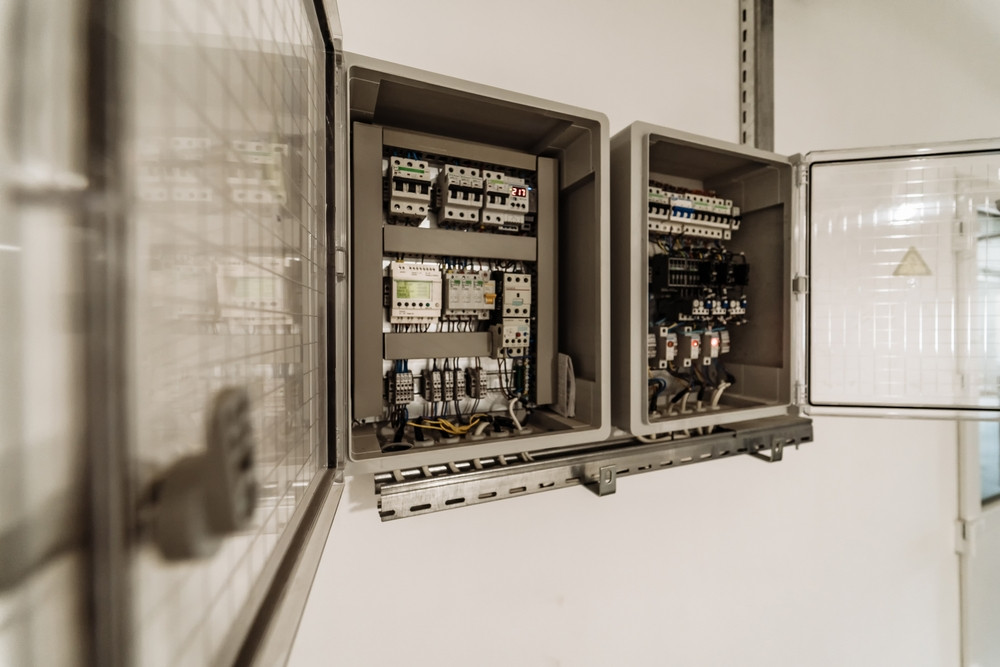
An electrical subpanel is secondary to a main panel in an electrical system. The main panel is responsible for acting as a central unit for the electricity in a building, whereas a subpanel distributes power from the main panel to a smaller, defined area.
Main Electrical Panels vs. Subpanels
Learning how main panels and subpanels differ from one another will help when learning about the benefits of electrical subpanels.
Primary Role
A main electrical panel is necessary for any building in need of electricity, as it plays a role in distributing power to the entire building. Meanwhile, subpanels, while not always required for a building to run electricity, are designed to deliver power to certain parts of a building or specific circuits instead of the whole building.
Location and Organization
In a building, a main electrical panel is typically installed at the main entry point. Subpanels, on the other hand, are often located near the specific site they’re designed to deliver power to.
Due to the logistics of subpanels, they tend to keep circuits in a system more organized, whereas circuits can be disorganized via just a main panel.
Control
Because the main electrical panel controls an entire electrical system, when its main breaker is shut off, electricity in the entire building will cease. However, since subpanels only deliver power to specific areas, this allows building owners or employees to turn off power to only one or a few areas at a time, rather than the entire building.
Why Subpanels are Often Needed in Larger Commercial Spaces
Large commercial buildings often benefit from subpanels because they need to distribute power across wider areas, multiple floors, separate departments, or equipment-heavy zones without overloading a single panel. Subpanels also help make managing electricity easier when a commercial space has large square footage or several floors.
Other reasons big commercial properties often need subpanels are due to their specialized equipment in need of dedicated circuits, the need for compatibility with backup systems like generators or UPS systems, and to comply with certain electrical codes.
Advantages of Electrical Subpanels
Installing electrical subpanels in large commercial buildings can have several benefits.
#1. Improved Safety
One of the biggest advantages of installing subpanels in a commercial building with high electricity needs is better safety. They help improve safety in multiple ways.
For instance, the installation of much-needed subpanels can divide the electrical load throughout a building to prevent overloads. In turn, this can help reduce the risks of overheating and the potential outbreak of an electrical fire.
What’s more, having dedicated subpanels for certain circuits can protect expensive commercial machinery, preventing damage to equipment that might otherwise occur during surges.
#2. Better Organization
Subpanels help organize circuits by location or function, which can make a large building’s electrical system much easier to manage. For example, lighting, HVAC equipment, offices, production areas, or tenant spaces can each be assigned to their own designated panel.
In turn, it’s easier to identify which circuits power what in a building, which can make maintenance and electrical troubleshooting simpler.
#3. Ease of Maintenance
As mentioned, a well-organized electrical system, which can be thanks to the addition of subpanels, can make maintenance easier. But how, you might wonder?
Subpanels allow a maintenance crew to cut power in one part of a building, rather than the entire building at once. Having labeled subpanels also gives the maintenance team the ability to determine which panel is powering which part of the building, which can lead to improved clarity, fewer mistakes, and in turn, faster and more efficient maintenance.
#4. Make Spotting Electrical Issues Easier
Apart from ease of engaging in regular electrical system maintenance, having subpanels can also make it easier to spot electrical issues.
When circuits are grouped by area or system, technicians can identify the source of a problem more quickly. That means less guesswork, faster troubleshooting, and fewer disruptions to the rest of the building. Electrical issues being spotted quicker can ultimately help a commercial facility save money, prevent on-the-job safety hazards faster, and get issues resolved before they escalate into a bigger problem.
#5. Reduced Downtime During Repairs
When maintenance or repairs need to be done in a commercial building, having subpanels can significantly reduce downtime. Not only are electrical problems easier to spot and, thus, faster to resolve, but with the load divided across subpanels, this means the facility won’t have to completely cease operations until repair or maintenance work is complete.
Because power can remain on in unaffected areas, much of the building can continue operating while repairs or maintenance are completed. That can help reduce downtime, protect productivity, and limit unnecessary disruption to daily operations.
#6. Help Support Future Expansion
It’s not uncommon for big commercial buildings to expand in one way or another. However, when relying just on a main panel for electricity, a facility may run into issues regarding accidentally overloading its main panel when more equipment or rooms are added.
Having subpanels, however, gives a property more circuit capacity without risks of overloading the main electrical panel. Subpanels can also offer a cost-effective solution as a building grows, without the need to replace the main panel or engage in timely rewiring.
Whether a facility plans to grow all at once or in gradual phases, subpanels can be far more supportive of future expansion than having a mere main panel, where growth isn’t always compatible or well-supported.
Signs You Need Electrical Subpanels
If your commercial building could benefit from electrical subpanels, you may have:
- A full main panel
- High-demand equipment
- Breakers tripping frequently on your property
- Issues with dropped voltage
- Difficult-to-identify circuits
- Workflow disruptions due to having to shut down the entire building during maintenance/repairs
- A need for expansion (e.g., more rooms or additional equipment)
- An electrical code correction note or violation
How many subpanels a facility might need will depend on its layout, size, and overall electrical needs. While some commercial properties may only need one subpanel, others may need several. Additional subpanels can also be added later based on a building’s current or upcoming needs.
Subpanel Installation and Testing in San Diego and SoCal
Is your commercial building experiencing electrical problems, from tripped breakers to an electrical code violation? Your system may be in need of subpanel installation. Or, if you already have subpanels installed, they may not be working efficiently to distribute power where it’s needed in your facility, signifying subpanel testing is in order.
At MTA Electrical Engineers, we provide NETA-accredited testing, inspections, and power system services for commercial and industrial facilities throughout San Diego and Southern California. Whether you need subpanel installation, system evaluation, or testing to verify performance and code compliance, our team can help you improve reliability, safety, and long-term electrical efficiency. Contact MTA Electrical Engineers to discuss subpanel testing or installation for your facility.