
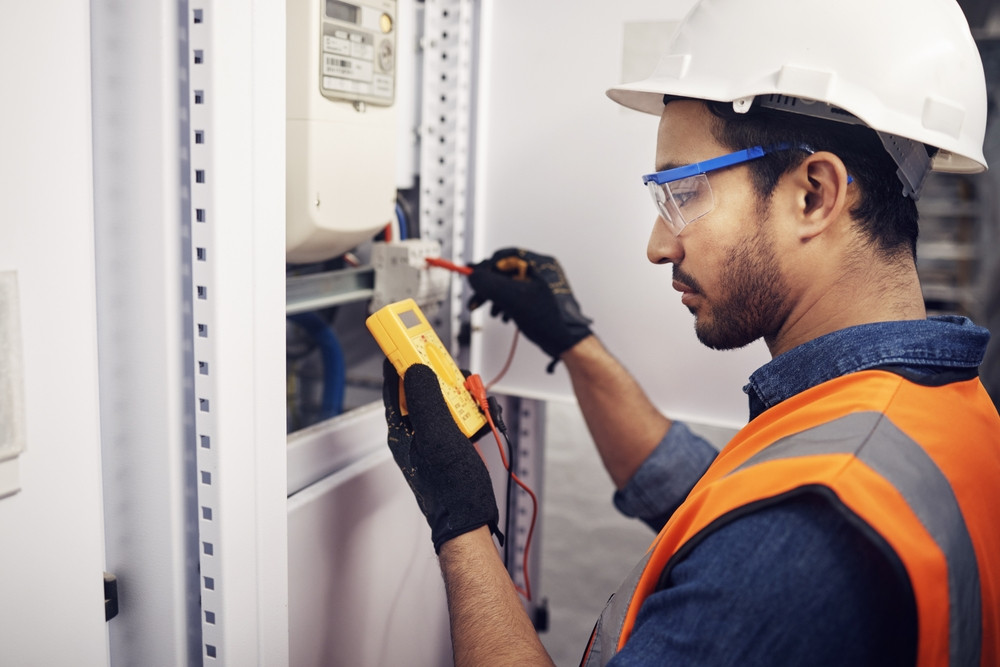
Maintaining a solid electrical system in a commercial or industrial facility is vital. Electrical system malfunctions can otherwise be costly, hazardous, or even result in the loss of business.
How important, though, are regular electrical safety inspections? What are they, what do they entail, and are they even legally required? How are these inspections beneficial, and what are the drawbacks of not getting them done regularly?
You have the questions, and we have the answers. Read on for your guide to electrical safety inspections for commercial and industrial facilities.
What Are Electrical Safety Inspections?
Electrical safety inspections are exactly what they sound like: a thorough electrical maintenance check done on a building to ensure safety.
Electrical safety inspections differ from construction electrical inspections. Construction electrical inspections are required before a newly constructed facility can operate. On the other hand, electrical safety inspections are performed on existing buildings. The latter checks are also more thorough.
What Does an Electrical Safety Inspection Involve?
An electrical safety inspection involves a combination of visual evaluations, functional testing, load and performance assessments, and code compliance checks.
Here are some of the specific tasks involved in this inspection:
- Inspect wires for wear and tear or corrosion
- Examine switches, outlets, and junction boxes
- Test emergency lighting and backup systems
- Check GFCI and AFCI devices
- Verify electrical code compliance
- Document findings and create a corrective action plan
The time required to complete an electrical inspection will depend on the size of your facility and the complexity of your electrical system. It can take anywhere from an hour to a few days to complete.
Are Electrical Safety Inspections a Legal Requirement?
Electrical safety inspections aren’t always routinely required for commercial and industrial facilities, however, they may be mandatory in certain circumstances. Situations where an electrical safety inspection may be required include:
- Following the installation of a new electrical system
- After existing electrical system modifications
- Insurance company requirement (e.g., plan renewal, dated building, change of occupancy type)
- After electrical component relocation
- When permits have been pulled
- To ensure OSHA 1910 Subpart S and NFPA 70E compliance
- For certain industries, such as hospitals and laboratories (required routinely)
An electrical safety inspection can also be chosen voluntarily by the facility owner.
Benefits of Getting Regular Electrical Safety Inspections
Getting consistent electrical safety inspections, even when not required, is important for commercial and industrial facilities. This maintenance is smart and responsible.
Here are some of the benefits of these inspections:
- Ensures Compliance
Regular electrical testing helps your San Diego, Southern California, or general West Coast facility stay in compliance with NEC, NFPA 70E, and other local and state codes. Keeping your electrical system up to code means avoiding pesky fines and penalties.
- Prevents Downtime
Inspections can identify failing components before they lead to overloaded circuits and unexpected outages. Preventing outages can ensure your facility stays on top of production and can avoid temporary closures.
- Reduces Safety Risks
Poorly maintained electrical systems can lead to numerous safety hazards. A well-maintained system, on the other hand, can reduce risks such as shocks or arc flashes that could otherwise cause injury, property damage, or even death. Avoiding these incidents can save you money and legal liability.
- Protects Expensive Industrial Equipment
Resolving electrical issues on time can help protect your prized equipment, thanks to reduced risks of voltage fluctuations and overheating. Preserving your current equipment results in fewer out-of-pocket costs for you and smoother production with less downtime.
- Extends the Lifespan of Electrical Components
A regularly maintained electrical system can mean longer-lasting electrical parts, from panels to connections. In the long run, this can save you the frustration of having to replace parts sooner than expected. It can also help you save money. The components of industrial- or commercial-level electrical systems are not affordable, after all.
- Improves Energy Efficiency
Having an expert inspect the electrical system of your Southern California facility regularly can ensure issues, like loose connections and unbalanced loads, are resolved. In turn, this can lead to less wasted power and overheating issues. This can also help you save on utility costs.
Risks of Avoiding an Electrical Safety Inspection
Even if your facility doesn’t have to undergo routine electrical safety inspections regularly, it doesn’t mean they’re not important.
Failing to get electrical safety inspections done from time to time could result in the following:
1. Hidden Electrical Issues
Many things could go undetected when you refrain from getting timely electrical safety inspections. Corroded components, overloaded circuits, and other issues could be happening without your knowledge. These hidden issues can ultimately lead to equipment failure and other costly or hazardous issues if not promptly resolved.
2. Production Interruptions
Hidden electrical issues that aren’t spotted, since electrical safety inspections aren’t being done, can lead to interruptions in your facility’s production. Production lines may cease, deadlines may be missed, and your facility may even have to close until repairs are made. For you, this means less revenue, staff temporarily without jobs to do, and more expenses on top of it.
3. Increased Fire and Arc Hazards
Did you know that faulty electrical systems are a major cause of fires in commercial and industrial facilities? Yet, avoiding dangers like fires and arc flashes can often be resolved by simply getting routine safety inspections.
Arc flashes and fires not only put your facility and entire business in jeopardy but can also result in liability if something were to happen to your staff.
4. Costly Electricity Waste
Electrical system issues, such as failing motors, corroded connections, or load imbalances, can lead to excessive electricity usage. Wasted power can quickly rack up your facility’s electric bill. Routine electrical inspections can help resolve the underlying causes of electricity waste.
5. Denied Insurance Claims
Most insurance companies want to verify that the commercial and industrial facilities they insure are regularly maintaining their electrical systems. Since a non-maintained system is considered a physical risk, increasing the odds of on-site fires and explosions, insurers view you as a liability. They don’t want to be financially responsible for your negligence.
In turn, insurance companies may deny your claim if and when an on-site issue does happen. They could even boot you from your plan altogether or deny your policy renewal. Being uninsured can be a risk for your facility and give you the headache of having to find another cost-effective policy that meets your needs.
6. Code Violations
Complying with OSHA and other codes isn’t a one-and-done task; codes are always changing. Even if these codes never changed, your electrical system could still fall out of compliance. Without regular inspections that could spot and help resolve compliance issues, you could be hit with monetary fines, denied permits, or even ordered to shut down your facility.
When to Schedule a Commercial or Industrial Electrical Safety Inspection
Don’t wait until you start experiencing problems to schedule an electrical safety inspection. Letting this crucial inspection slide for too long can result in wasted electricity, expensive compliance issues, and on-site dangers.
Many commercial and industrial facilities schedule at least annual electrical safety inspections, with the exact interval based on the equipment, environment, and risk level. You’ll also want to schedule an electrical safety inspection after upgrading, replacing, or adding onto your electrical system. This inspection can also be beneficial before leasing or buying a property. You can even opt for an electrical inspection just for peace of mind.
You don’t always need a specific rhyme or reason to schedule an electrical safety inspection. You can voluntarily schedule an inspection with MTA Electrical Engineers (MTAEE) at any time.
MTAEE is an NETA-accredited firm that delivers expert electrical safety testing for commercial and industrial facilities. They can conduct routine maintenance, facilitate a safer work environment, or even assist in emergencies involving your electrical system. Contact MTAEE for your electrical maintenance needs today.